Supreme sizing: compare exact garment measurements
Use Supreme’s item-specific chest, length, sleeve and waist measurements to compare a release with a garment you already own.
Use the exact item row
Open Supreme’s official sizing chart and match the garment name and season. Compare the same measurement convention and size with a garment that already fits. A published S–XXL range is a size chart, not proof of remaining inventory.
Check the construction that changes the fit
An insulated hooded work jacket, filled flannel and unlined shirt serve different layering needs. A shell’s outer chest measurement does not describe the same usable space as an unlined shirt’s. Sleeve, body length and hem measurements help distinguish two pieces carrying the same letter size.
For the covered BDU shirt jacket, back-waist tabs change adjustment; the Mini Plaid Shirt follows a different shirt cut. For Rita Ackermann’s canvas and soccer pairs, compare each garment independently rather than ordering a matching size by default.
Keep uncertainty specific
If an upcoming item has no published chart, its fit is not established by the model photo or another season’s garment. The FW26 preview confirms design and construction where stated, while the release page separately tracks date, price and named colors. Measurements describe the garment; they are not firsthand wear testing.
Collector context
In Supreme’s official chart, the Ripstop BDU Shirt Jacket and Mini Plaid Shirt share the same center-back body-length reference. Their comparison is straightforward. Some jackets instead use HPS-to-hem length; those starting points should not be mixed. Chest width is specified one inch below the armhole, while sleeves run from the center-back neck seam.
This separates three decisions: room through the torso, where the hem lands, and how far the sleeve reaches. A garment can give more room without being longer. Choosing a larger letter changes several dimensions at once, so it may solve one problem while introducing another.
Proper Cloth’s measurement explanation distinguishes flat garment widths from measurements taken around a person. Doubling a flat width gives the corresponding garment circumference; it does not turn that number into a recommended body size. The difference between clothing dimensions and the wearer’s dimensions is part of the room in the garment.
When measuring a reference shirt, smooth the body fully, including folds that can hide underneath. Proper Cloth’s chest demonstration illustrates why that preparation matters, especially with rear pleats. Use Supreme’s stated chest location for the actual comparison: an armpit-to-armpit number from a resale listing can be taken at a different height.
A center-back sleeve measurement travels across part of the back and shoulder before continuing down the arm. Proper Cloth’s illustrated method follows that route with the garment laid flat and the sleeve extended without stretching. A seller measuring only from the shoulder seam will produce a shorter number for the same garment. Ask for the endpoints when two measurements seem incompatible.
Finally, consider what occupies the inside. The season’s Quilted Lined Hooded Velvet Snap Shirt includes fill and a quilted lining; its construction is materially different from the Mini Plaid Shirt. An exterior width alone cannot describe that difference. Using a similarly constructed reference garment makes the comparison more informative than comparing every shirt-shaped piece to a thin button-down.
Sources & verification
- Supreme Fall/Winter 2026 Sizing ↗official · checked Oct 4, 2026
- Proper Cloth — Body Measurements vs. Shirt Dimensions ↗official · checked Oct 4, 2026
- Proper Cloth — How to Measure a Shirt: Chest Width ↗official · checked Oct 4, 2026
- Proper Cloth — How to Measure a Shirt: Sleeve Length ↗official · checked Oct 4, 2026
- Proper Cloth — How the Sleeve Length Should Fit ↗official · checked Oct 4, 2026
- Supreme Quilted Lined Hooded Velvet Snap Shirt — Navy ↗official · checked Oct 4, 2026
- Mini Plaid Shirt — Black ↗official · checked Oct 4, 2026
- Im Your Wardrobe — Supreme Mini Plaid Shirt Black FW26 ↗community · checked Oct 4, 2026
- Celebrating 125 Years of the Button-Down Collar Shirt ↗official · checked Oct 4, 2026
- Supreme Small Box Shirt — Pink ↗official · checked Oct 4, 2026
- Supreme Plus — Fall/Winter 2026 Week 6 regular items ↗independent reporting · checked Oct 4, 2026
- EssilorLuxottica to Acquire Supreme from VF Corporation ↗official · checked Oct 4, 2026
- Nike SB Vault — Supreme White Cement ↗official · checked Oct 4, 2026
- 20 Years of Nike SB — Skate Shops ↗official · checked Oct 4, 2026
- Why Supreme x A.Presse Is 2026’s Most Important Menswear Collab ↗independent reporting · checked Oct 4, 2026
- Supreme Archives — Faux Fur Reversible Hooded Jacket, Fall/Winter 2020 ↗independent reporting · checked Oct 4, 2026
- Supreme Ripstop BDU Shirt Jacket — Woodland Camo ↗official · checked Oct 4, 2026
- Supreme and Nike Team up for Fall 2026 Apparel Collection ↗independent reporting · checked Oct 4, 2026
Supreme
Explore the catalog
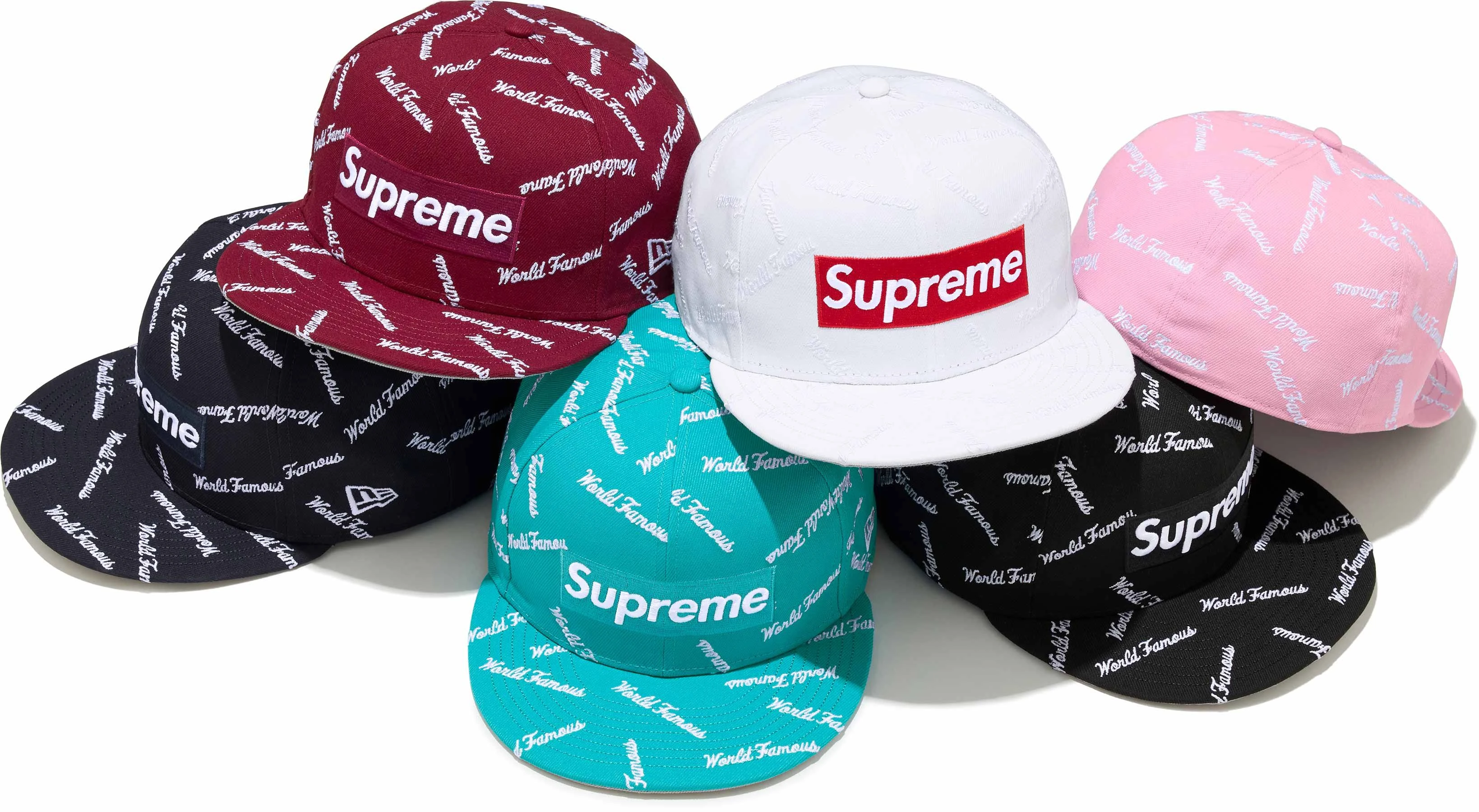
Supreme World Famous Box Logo New Era® — FW26 release details
Supreme World Famous Box Logo New Era® for FW26. October 8 is reported; official US timing and price remain unconfirmed.
Read the story ↗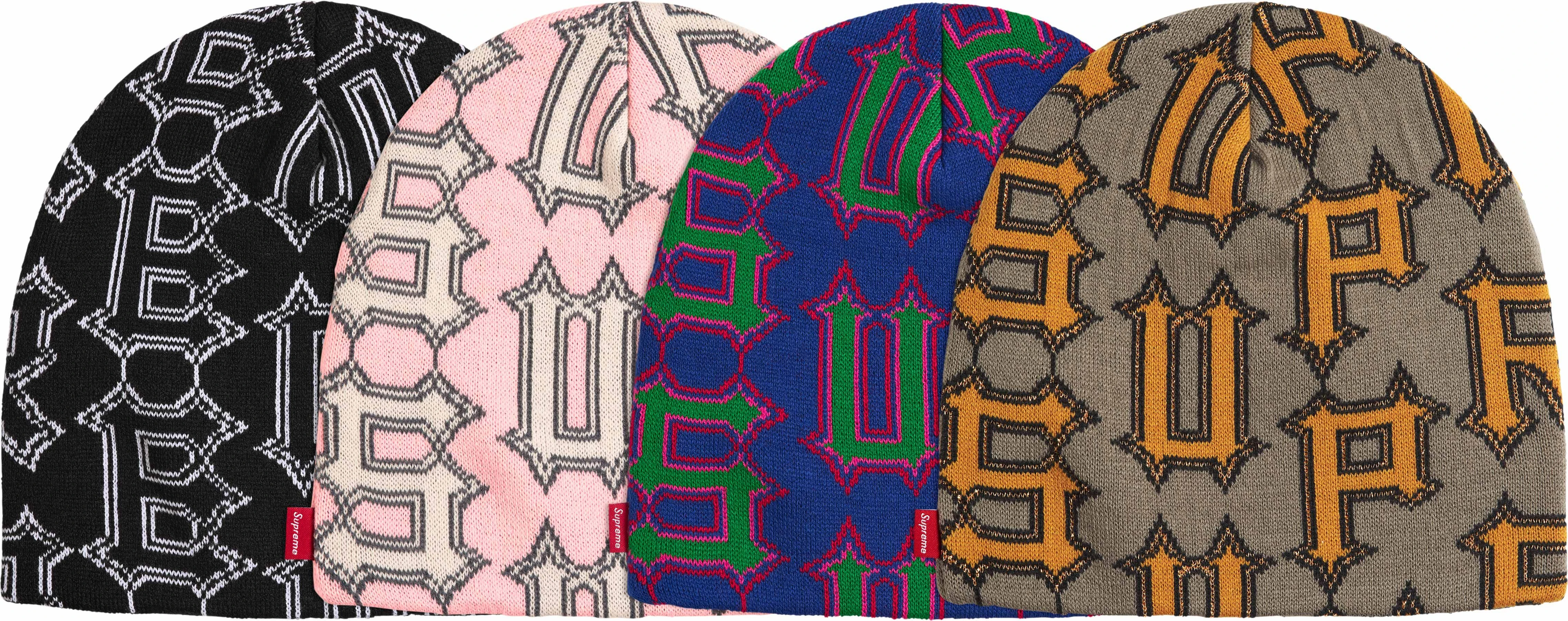
Supreme Spike Beanie — FW26 release details
Supreme Spike Beanie for FW26. October 8 is reported; official US timing and price remain unconfirmed.
Read the story ↗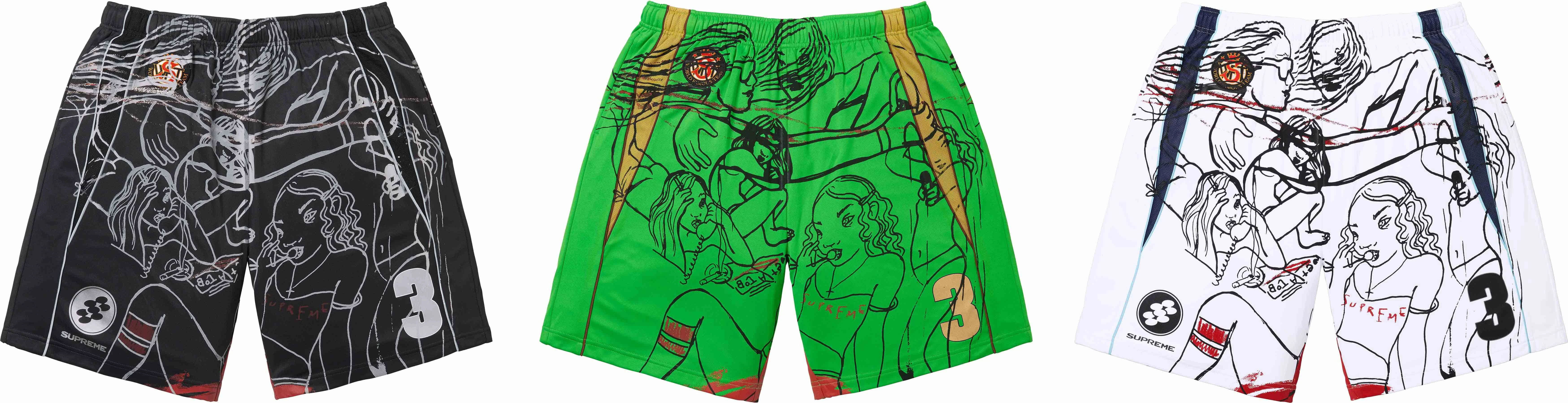
Supreme/Rita Ackermann Soccer Short — FW26 release details
Supreme/Rita Ackermann Soccer Short for FW26. Black. October 8 is reported; official US timing and price remain unconfirmed.
Read the story ↗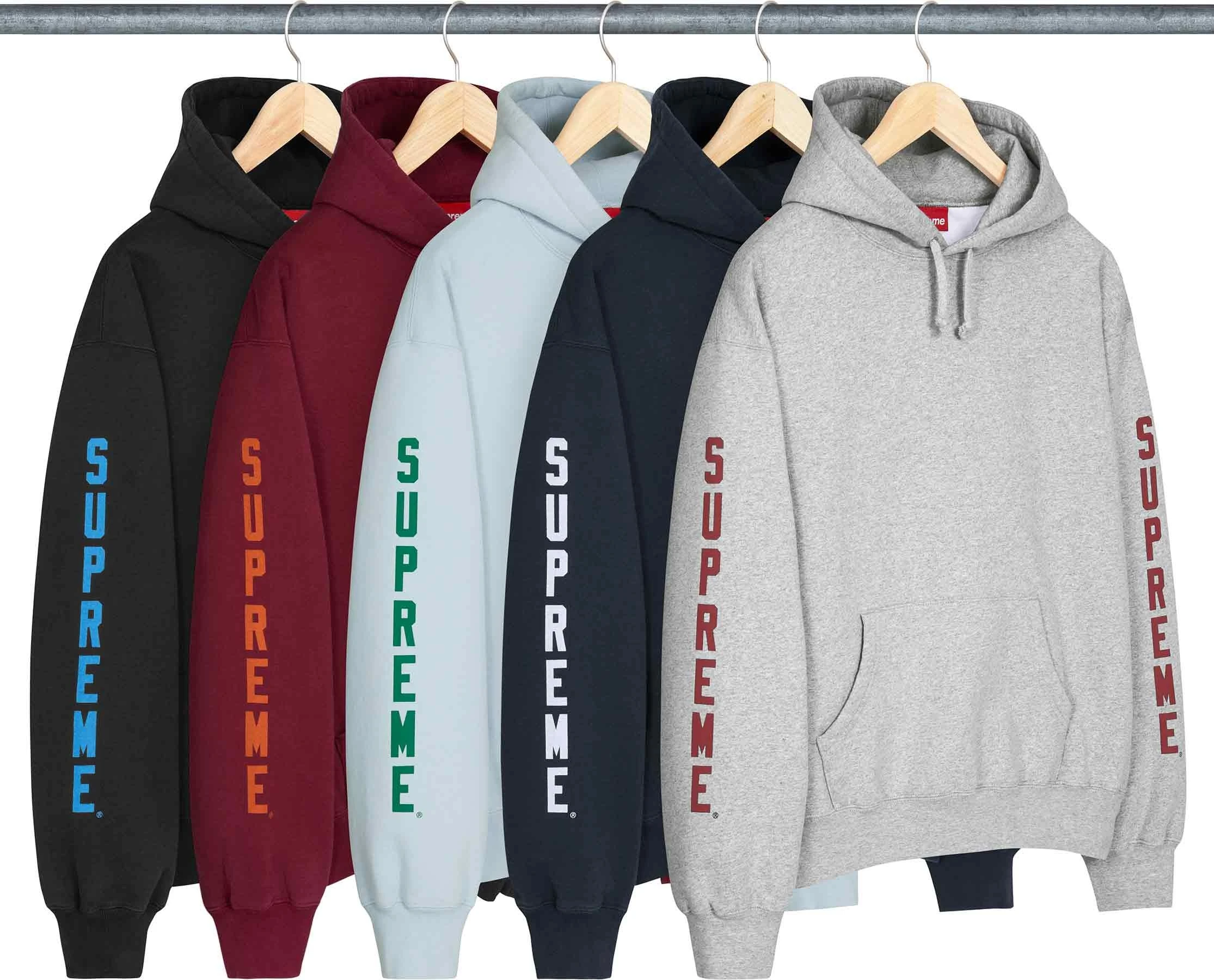
Supreme Washed Logo Hooded Sweatshirt — FW26 release details
Supreme Washed Logo Hooded Sweatshirt for FW26. Black. October 8 is reported; official US timing and price remain unconfirmed.
Read the story ↗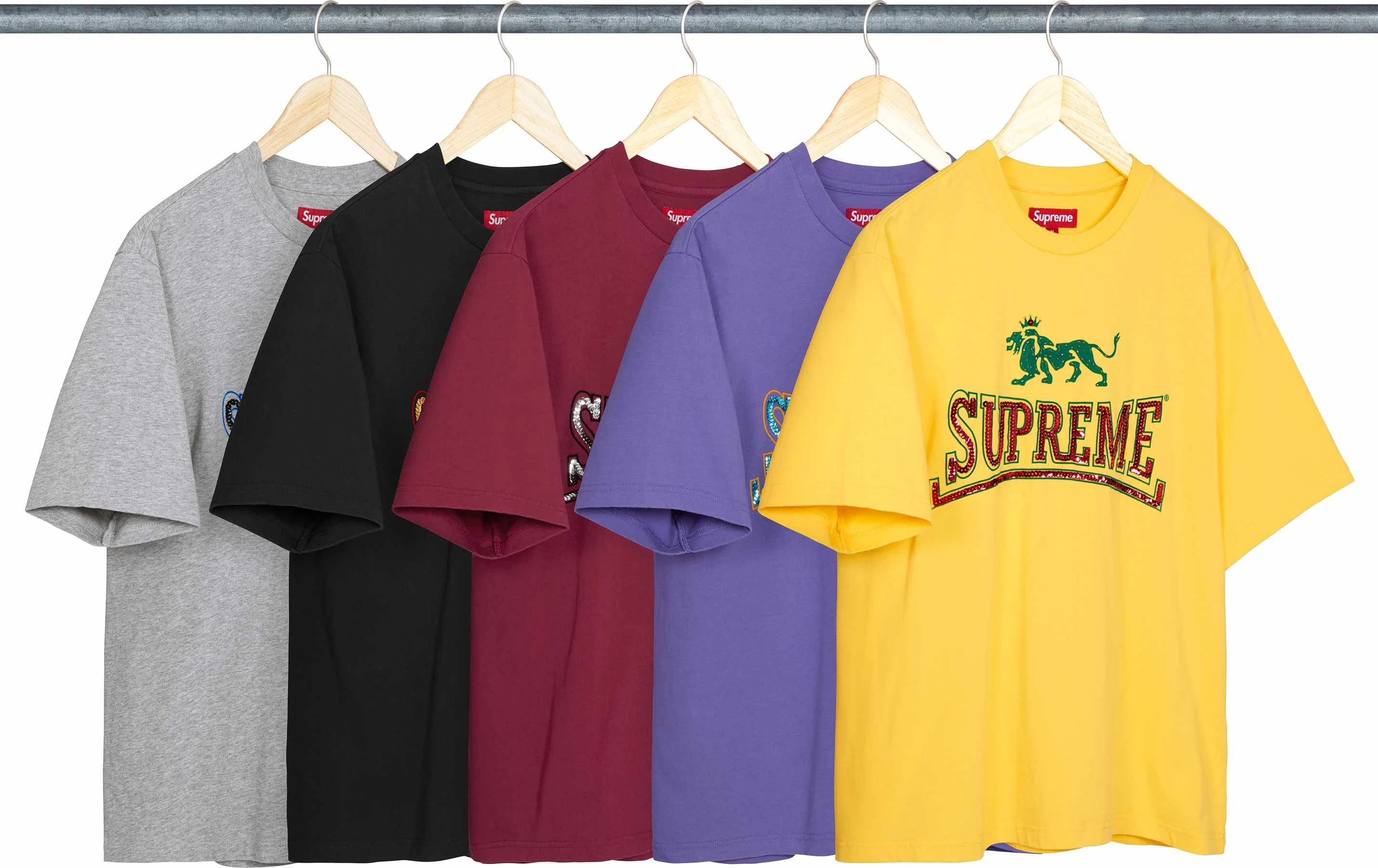
Supreme Milan Sequin S/S Top — FW26 release details
Supreme Milan Sequin S/S Top for FW26. Black. October 8 is reported; official US timing and price remain unconfirmed.
Read the story ↗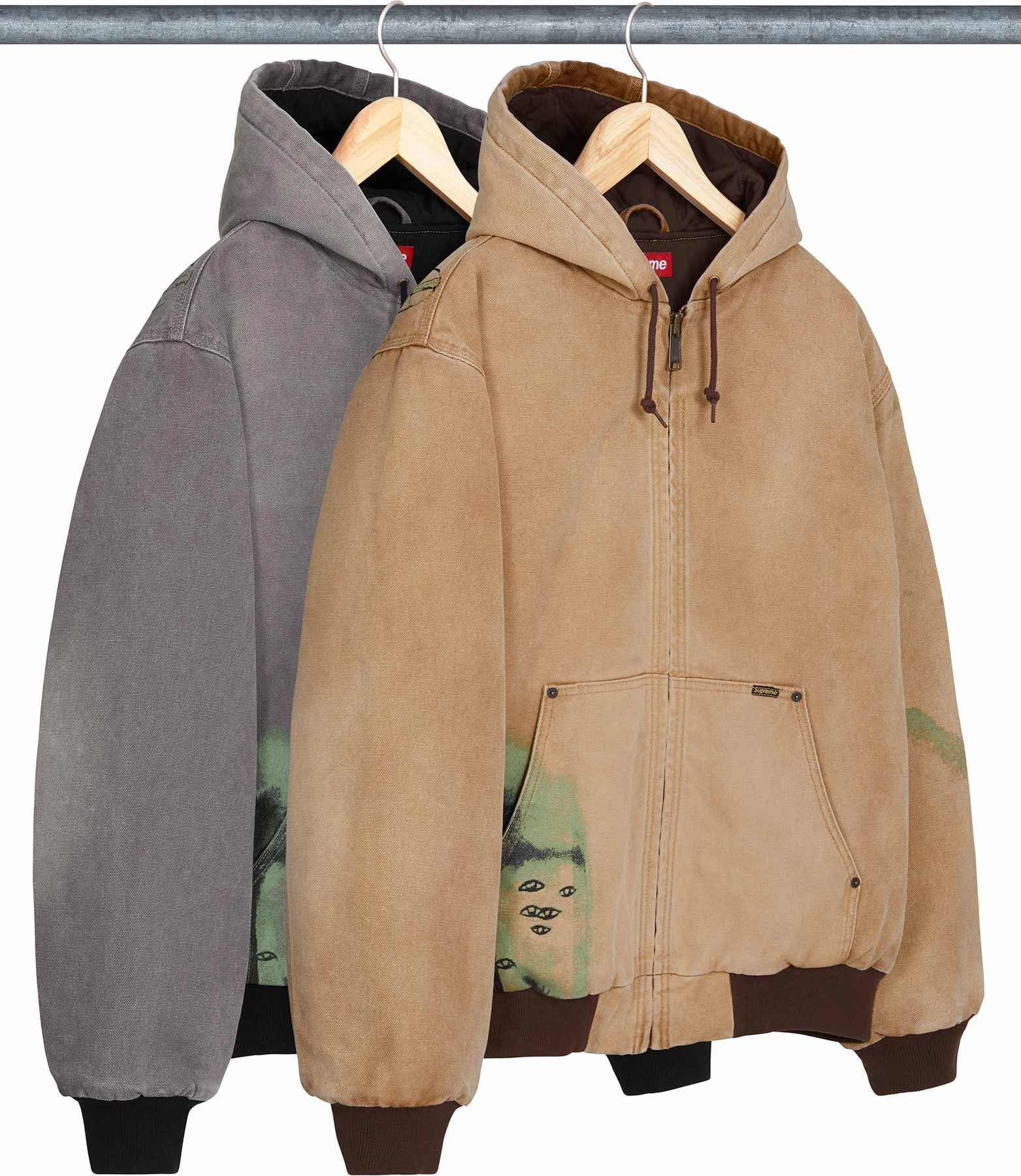
Supreme/Rita Ackermann Hooded Work Jacket — FW26 release details
Supreme/Rita Ackermann Hooded Work Jacket for FW26. Grey, Tan. October 8 is reported; official US timing and price remain unconfirmed.
Read the story ↗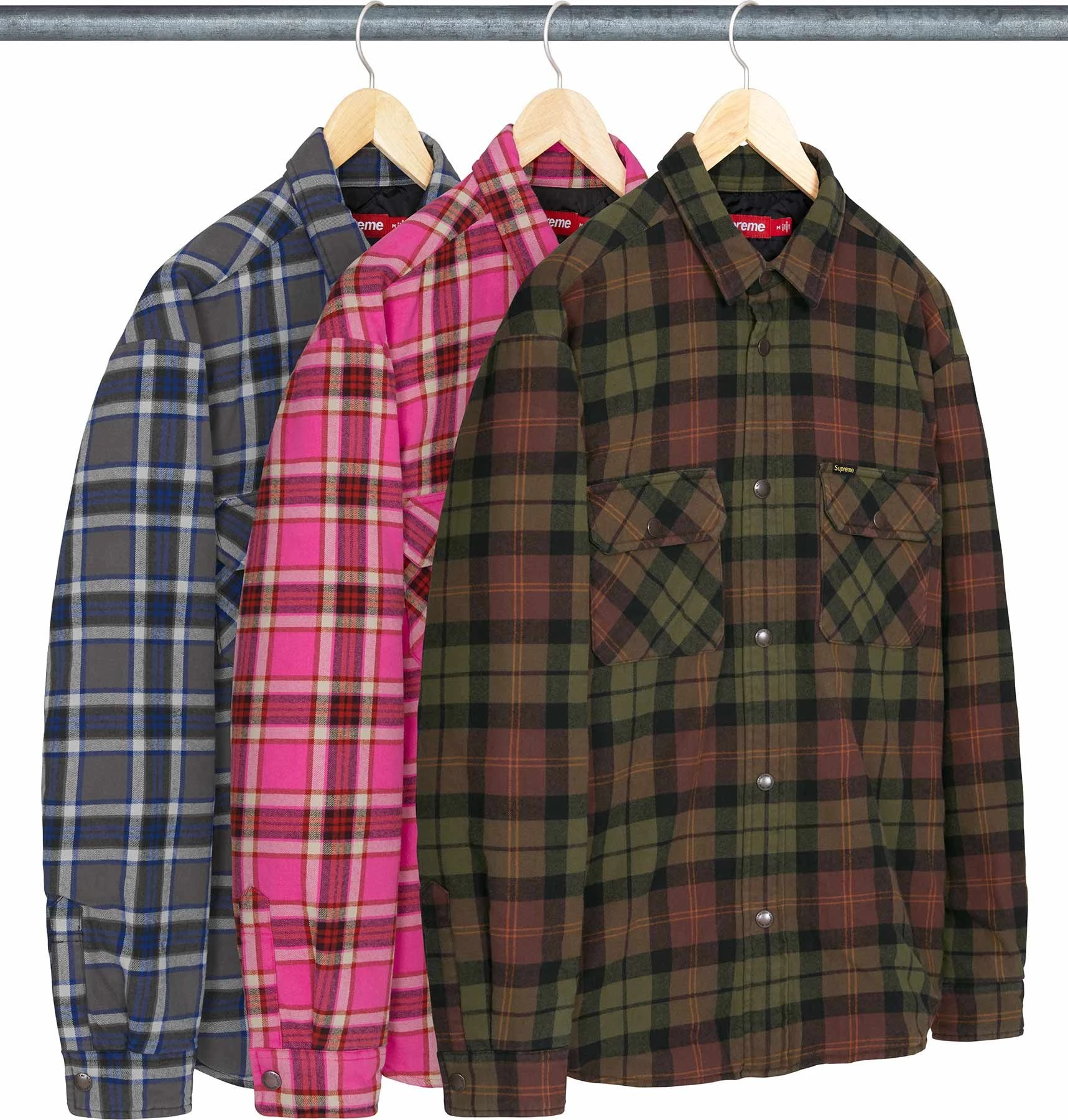
Supreme Quilted Lined Flannel Snap Shirt — FW26 release details
Supreme Quilted Lined Flannel Snap Shirt for FW26. Pink. October 8 is reported; official US timing and price remain unconfirmed.
Read the story ↗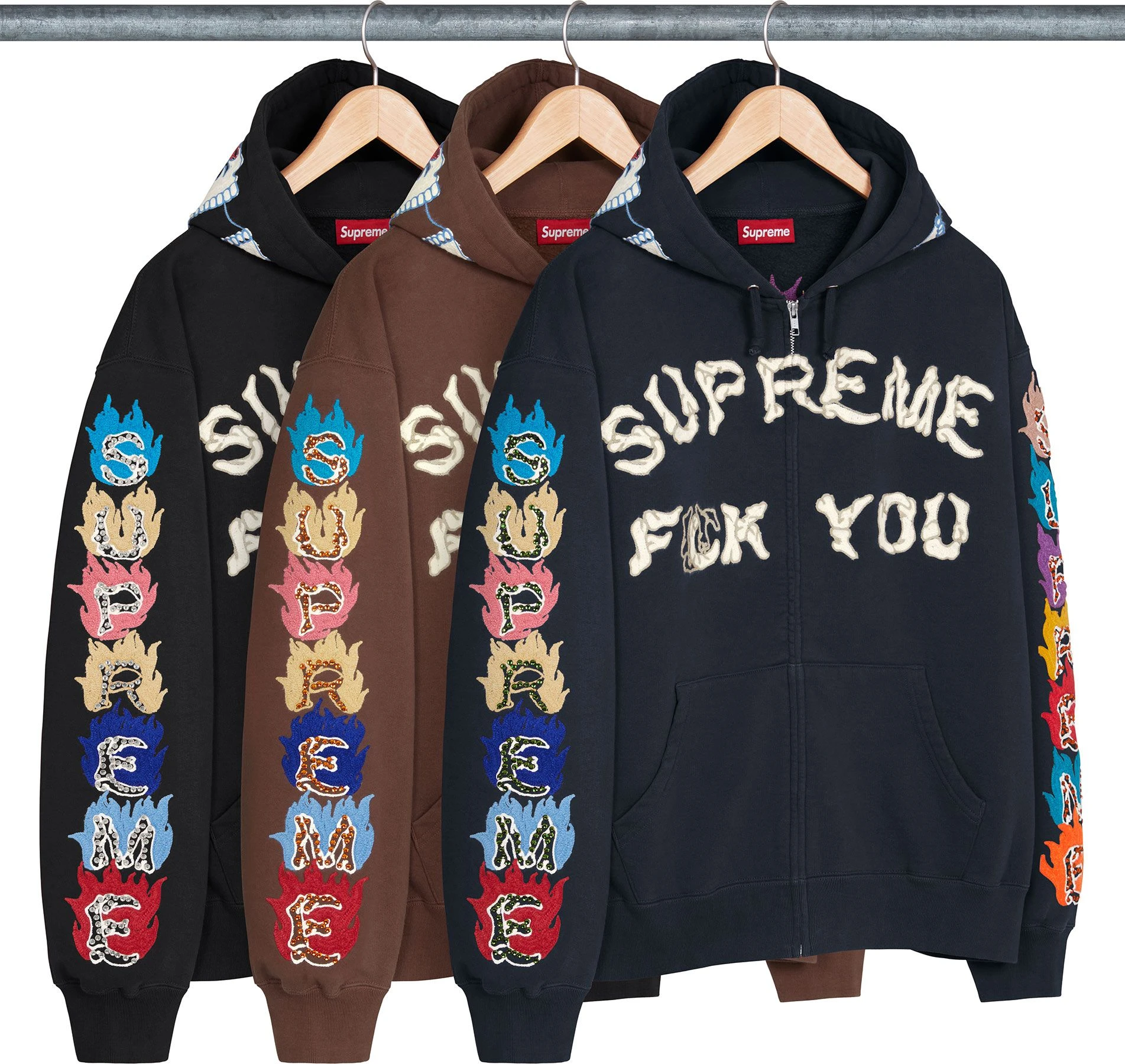
Supreme Fuck You Zip Up Hooded Sweatshirt — FW26 release details
Supreme Fuck You Zip Up Hooded Sweatshirt for FW26. Black. October 8 is reported; official US timing and price remain unconfirmed.
Read the story ↗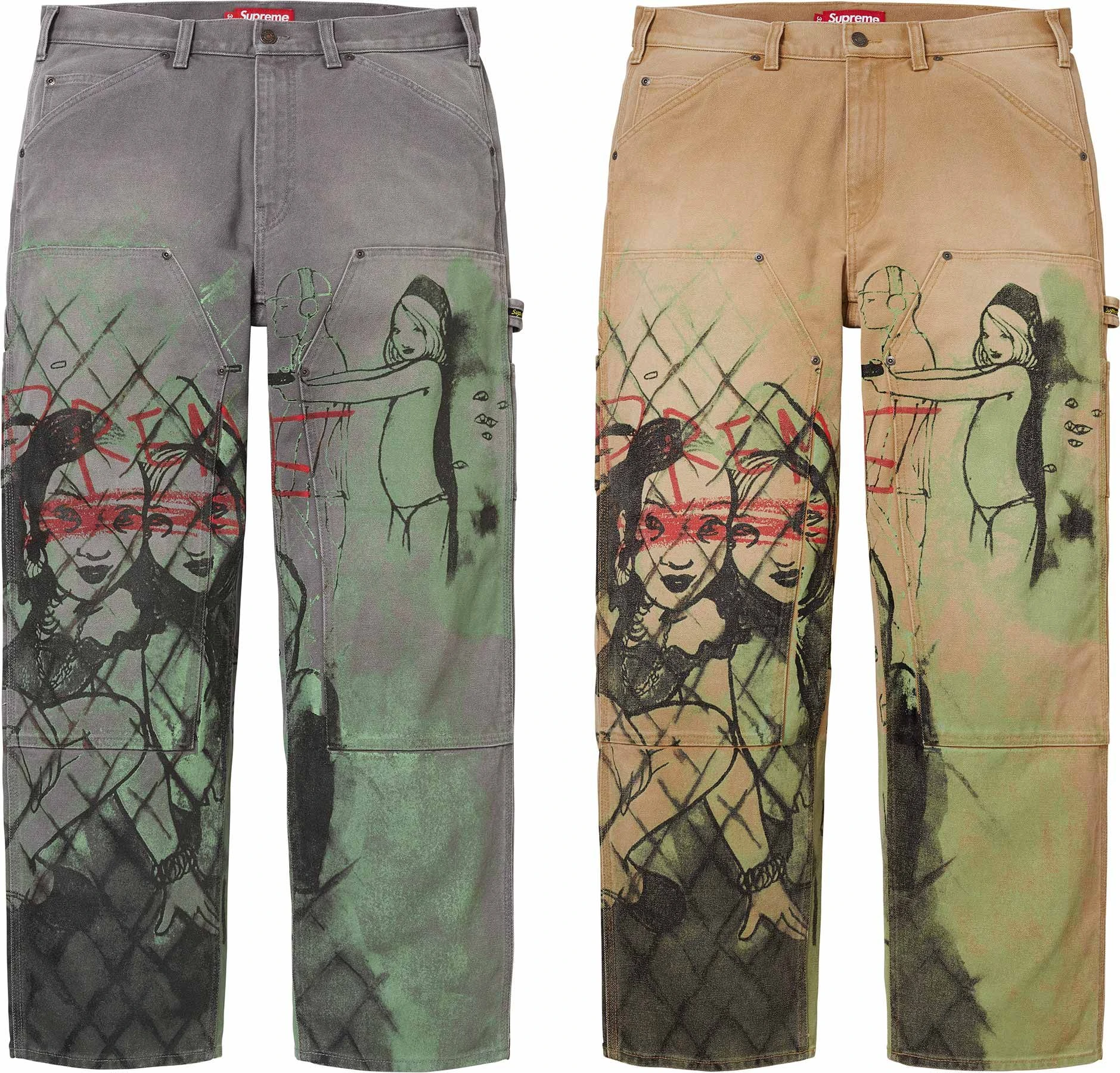
Supreme/Rita Ackermann Double Knee Painter Pant — FW26 release details
Supreme/Rita Ackermann Double Knee Painter Pant for FW26. Grey, Tan. October 8 is reported; official US timing and price remain unconfirmed.
Read the story ↗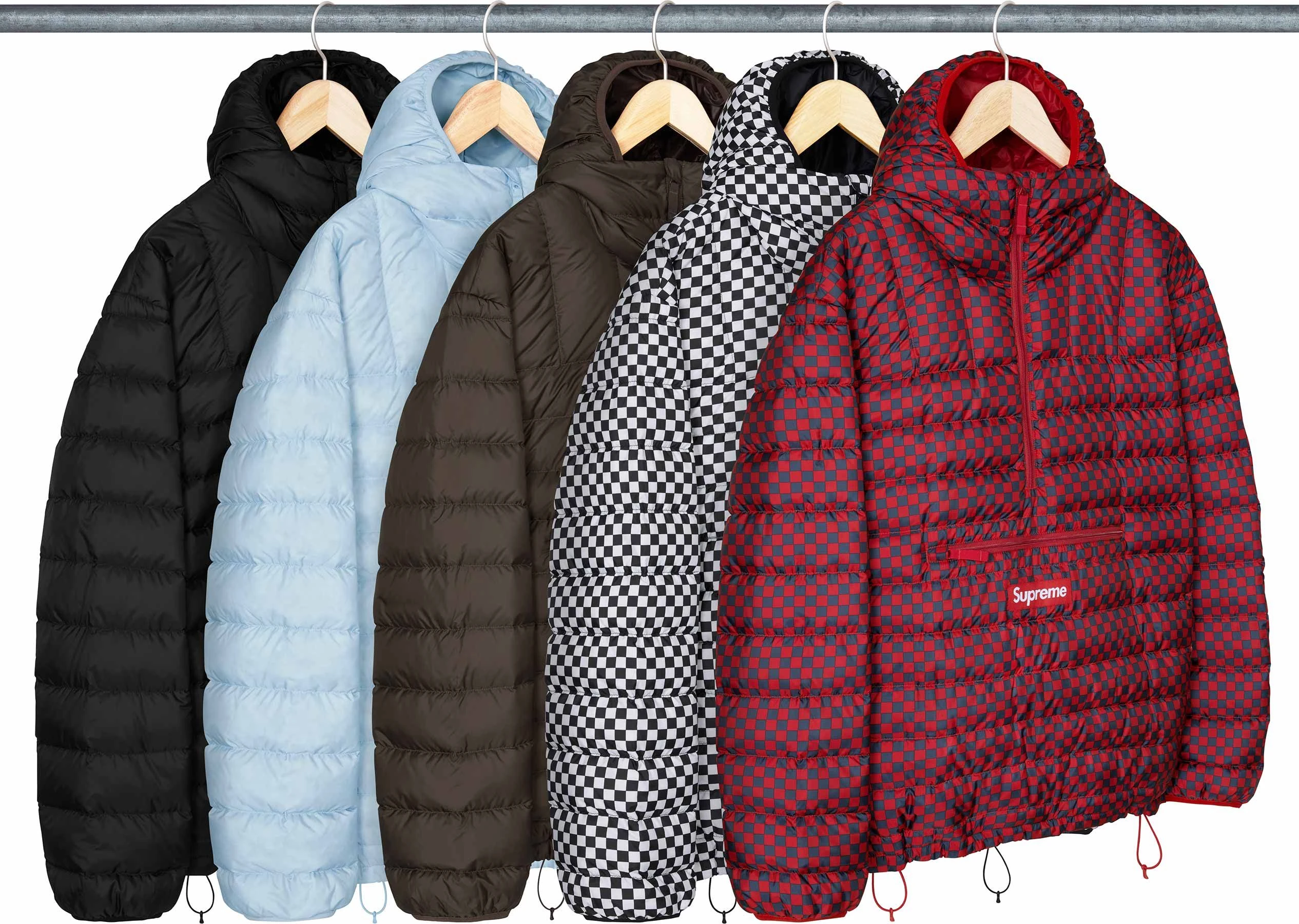
Supreme Micro Down Half Zip Hooded Pullover — FW26 release details
Supreme Micro Down Half Zip Hooded Pullover for FW26. Black, Red Checkerboard, White Checkerboard, Dark Brown, Light Blue. October 8 is reported; official US timing and price remain unconfirmed.
Read the story ↗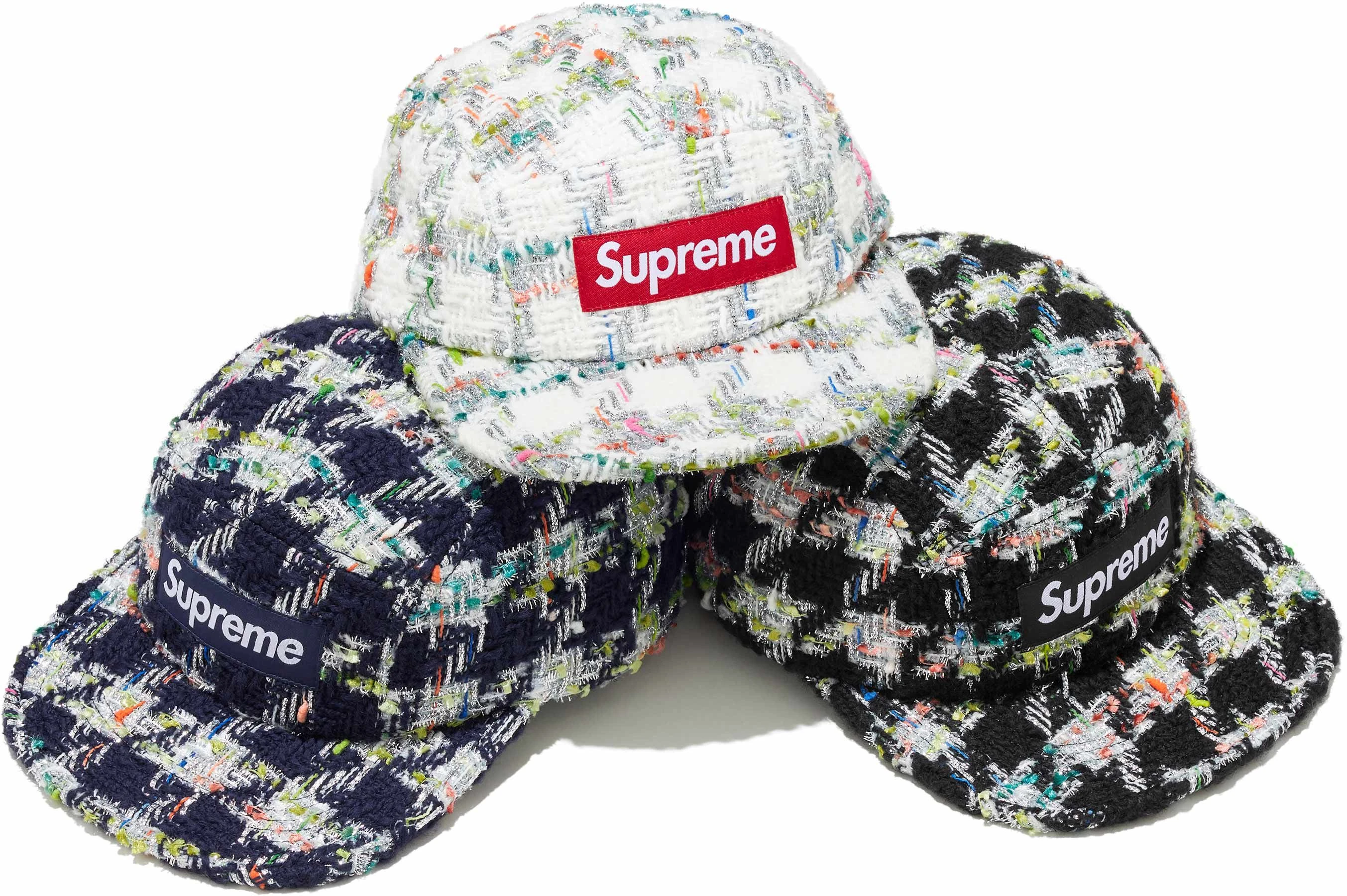
Supreme Metallic Bouclé Camp Cap — FW26 release details
Supreme Metallic Bouclé Camp Cap for FW26. October 8 is reported; official US timing and price remain unconfirmed.
Read the story ↗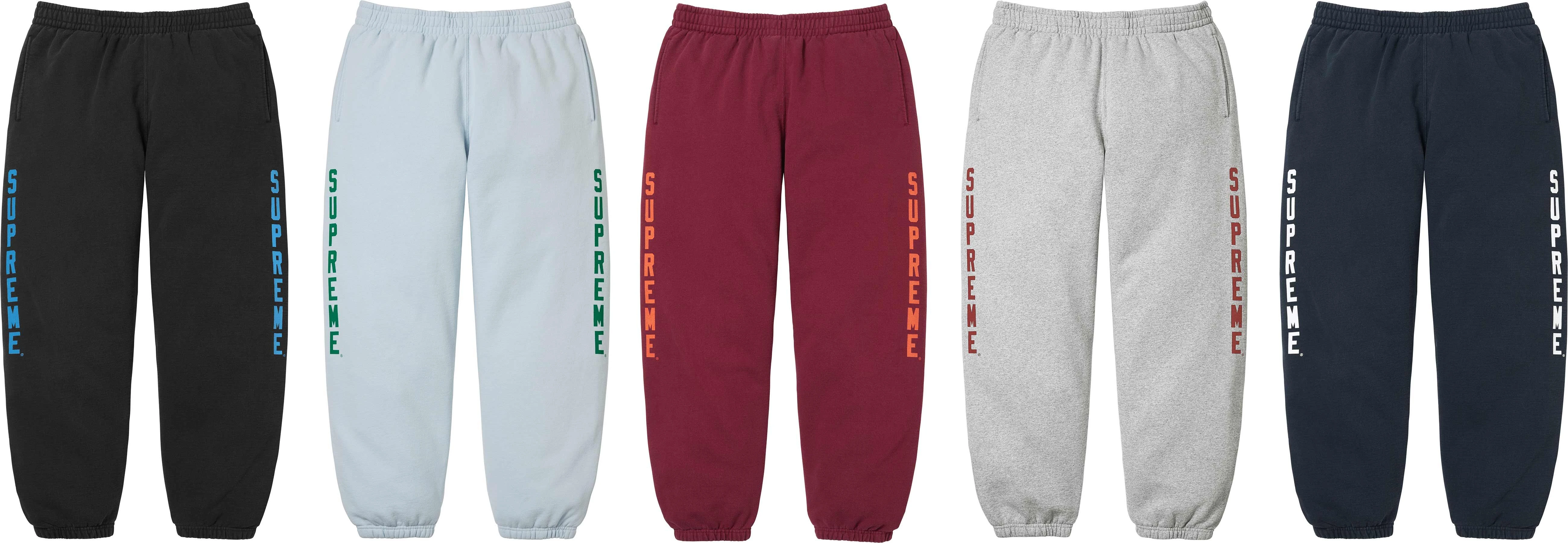
Supreme Washed Logo Sweatpant — FW26 release details
Supreme Washed Logo Sweatpant for FW26. Cardinal. October 8 is reported; official US timing and price remain unconfirmed.
Read the story ↗