Supreme: New York skate culture, clothing and collaboration
Supreme grew from a Manhattan skate shop into a clothing brand with a distinctive archive of garments, artist projects and footwear collaborations.
Brand at a glance
Official website ↗Supreme is a clothing and skateboarding brand founded by James Jebbia in New York. Its first store opened on Lafayette Street in 1994, bringing together neighborhood skaters, artists, staff and customers. The company’s published brand history places that local community at the center of its beginnings. The store was the foundation for a brand whose identity extends across clothing, skate goods and collaborations.
A wardrobe shaped by different references
Supreme’s archive is broader than any one logo treatment. Sweatshirts and shirts sit alongside outerwear, pants, caps and collaborative footwear. Looking at the garments by construction and reference reveals differences that a brand name alone cannot explain. A graphic sweatshirt, an artist-decorated workwear shape and a reinterpreted sports shoe ask different things of the wearer and collector.
The brand’s previews and lookbooks provide a way to see those pieces within a wider collection. They are useful for understanding how a garment was styled and which other objects appeared alongside it. A season is therefore part of the archive’s context, while the exact garment remains the unit of comparison.
Artists within the clothing
Artist projects are an established part of Supreme’s work. Its news archive documents Damien Hirst collaborations, while the Gonz Heads Crewneck explicitly credits original artwork by Mark Gonzales. These references connect the object to a particular artist’s visual language.
That relationship is worth examining at garment level. Where is the artwork placed? Does it become an all-over surface, a small detail or the organizing element of the piece? Those questions distinguish the role of a collaboration from the fact that a collaboration exists. They also give collectors a way to follow an artist across formats without treating every object as equivalent.
The Nike SB relationship
Supreme’s White Cement Dunk Low Pro SB provides a documented example of its relationship with footwear. Nike SB’s archive describes how the design borrowed elephant detailing from the Air Jordan III. A basketball reference was carried into a skate shoe through the partnership, creating a recognizable connection between two design histories.
For collectors, that makes the exact edition important. Silhouette, material, artwork and collaborator explain what the object is; season and release history locate it in the archive. A recurring fabric or familiar logo does not make two garments the same design. Supreme’s own news and archive provide primary context, while individual Release Radar records keep each covered piece and its release details separate.
Collections & further reading
Upcoming dates & buying windows
Current releases
 RELEASE RADAR HQ
Supreme Growl Tee — Fall 2026
Time TBD · Supreme
 RELEASE RADAR HQ
Supreme Jim Tee — Fall 2026
Time TBD · Supreme
 RELEASE RADAR HQ
Supreme Paris Tee — Fall 2026
Time TBD · Supreme
 RELEASE RADAR HQ
Supreme Pills Tee — Fall 2026
Time TBD · Supreme
 RELEASE RADAR HQ
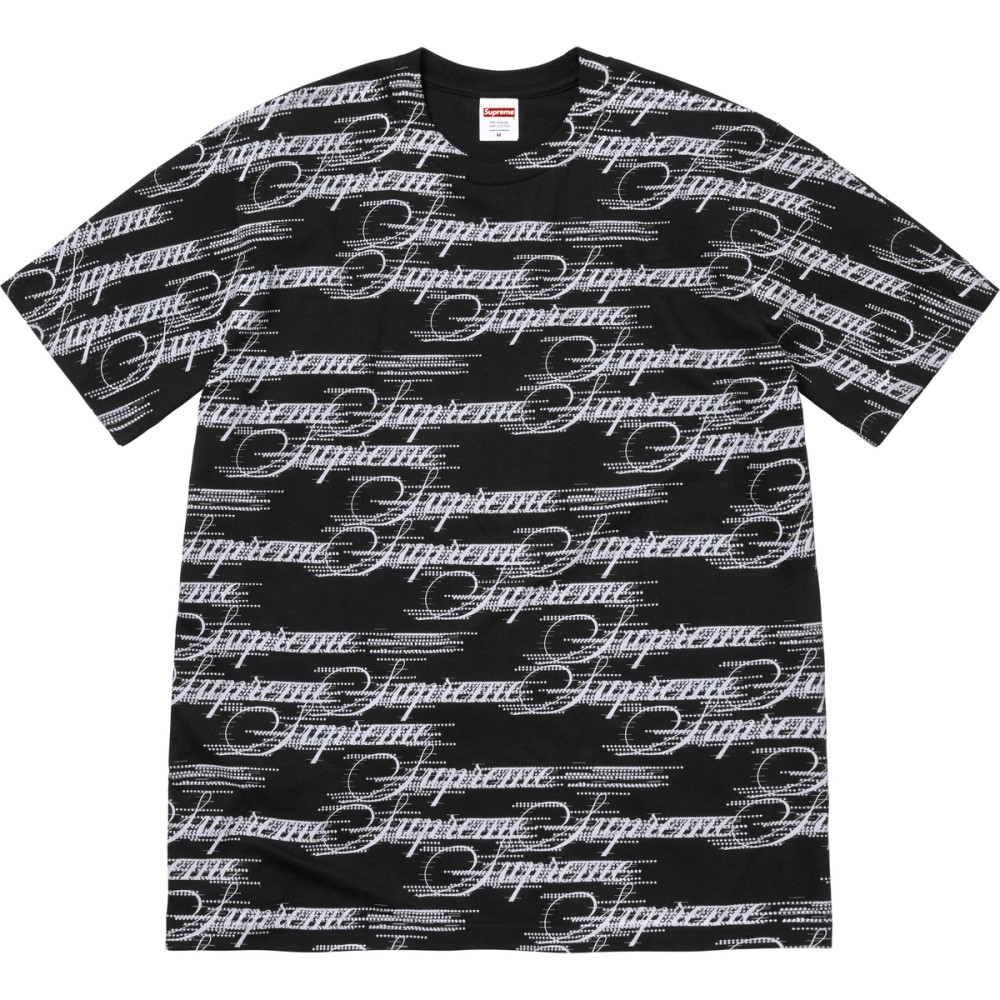
Supreme Script Tee — Fall 2026
Time TBD · Supreme
 RELEASE RADAR HQ
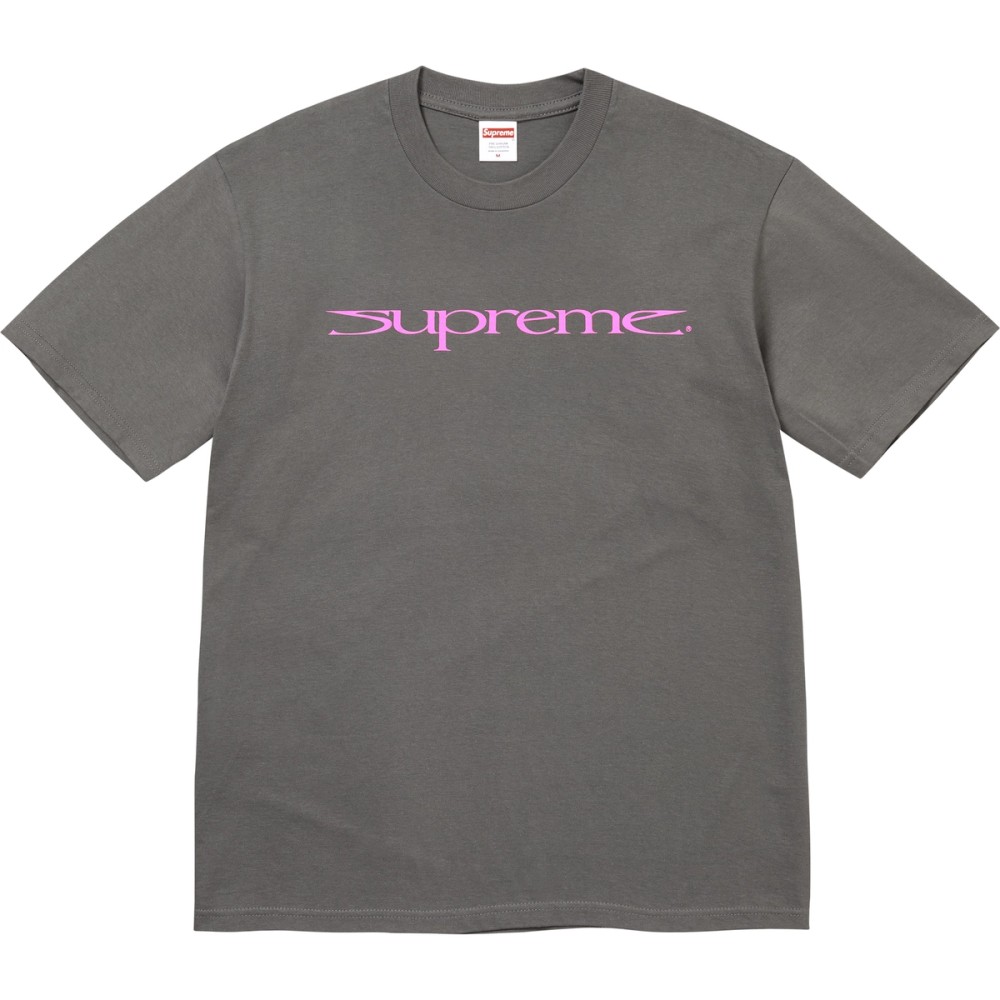
Supreme Sharp Tee — Fall 2026
Time TBD · Supreme
 RELEASE RADAR HQ
Supreme Tears Tee — Fall 2026
Time TBD · Supreme
18 archived releases
Release history & catalog
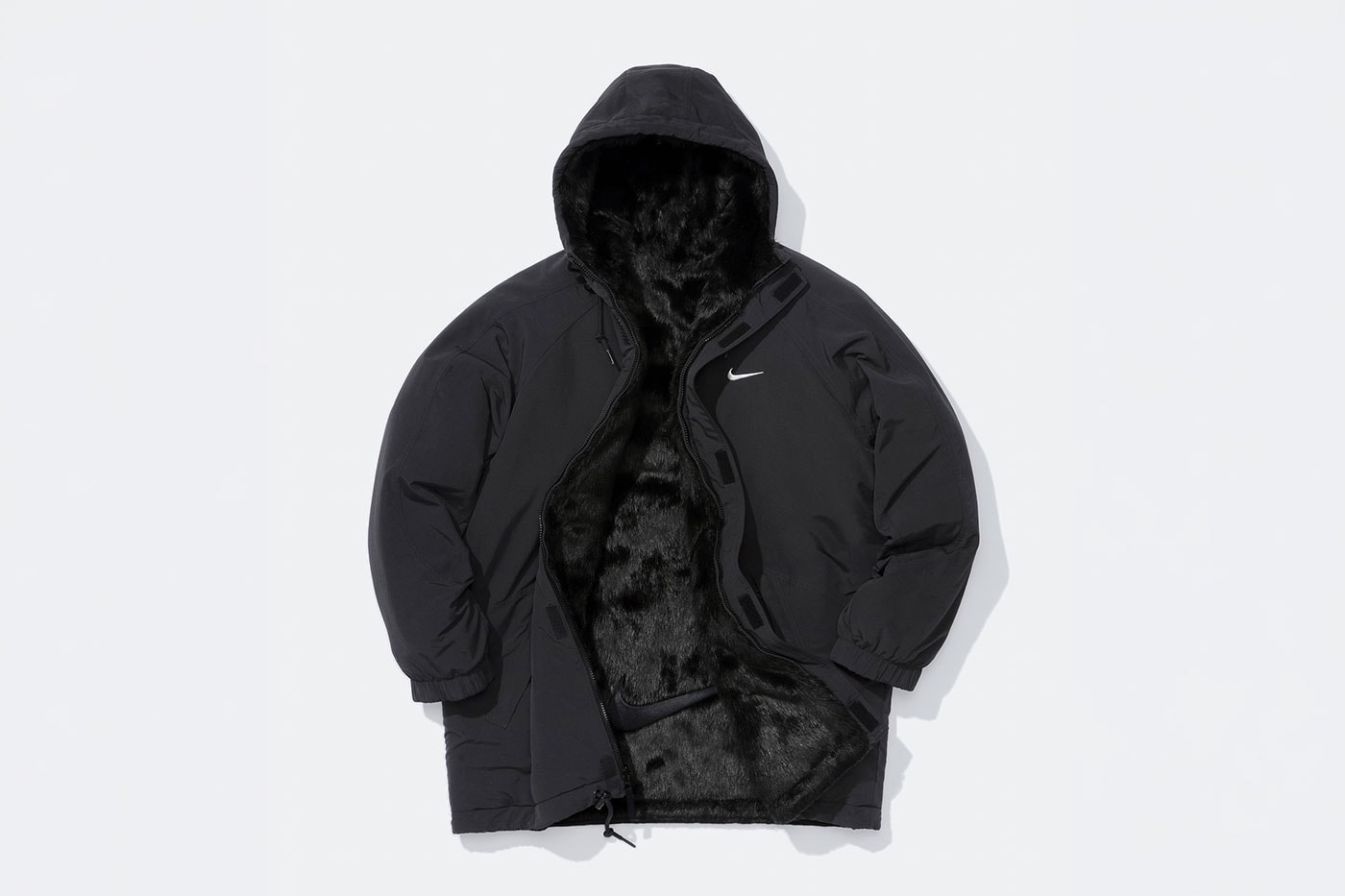
Supreme/Nike Faux Fur Reversible Parka
Supreme/Nike Fall 2026 parka: nylon taslan and faux fur, with September 24 launch reported. Compare the Black version; current stock and price unconfirmed.
Read the story ↗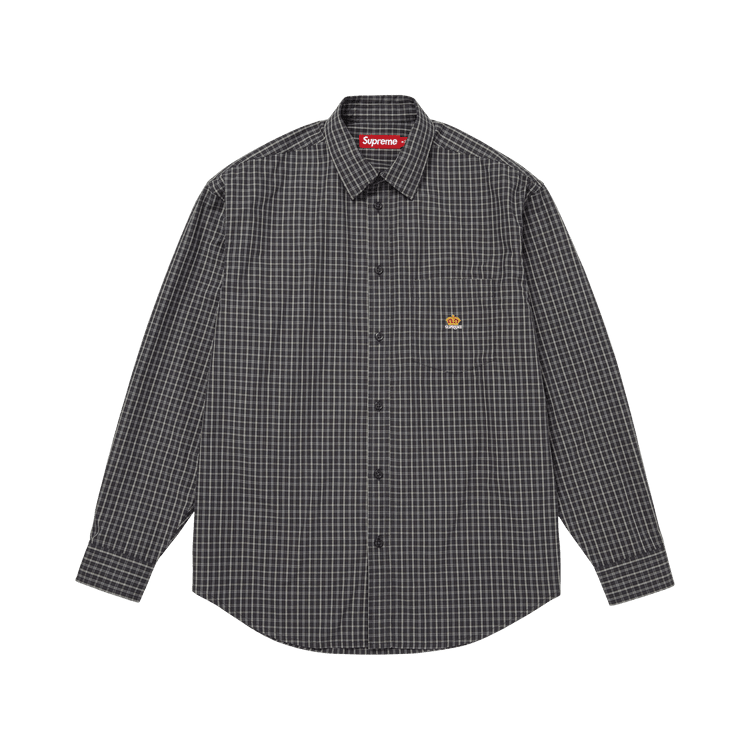
Supreme Mini Plaid Shirt
Supreme Mini Plaid Shirt: US $148, Black cotton, embroidered chest pocket. FW26 S–XXL chart available; current stock and original release day unconfirmed.
Read the story ↗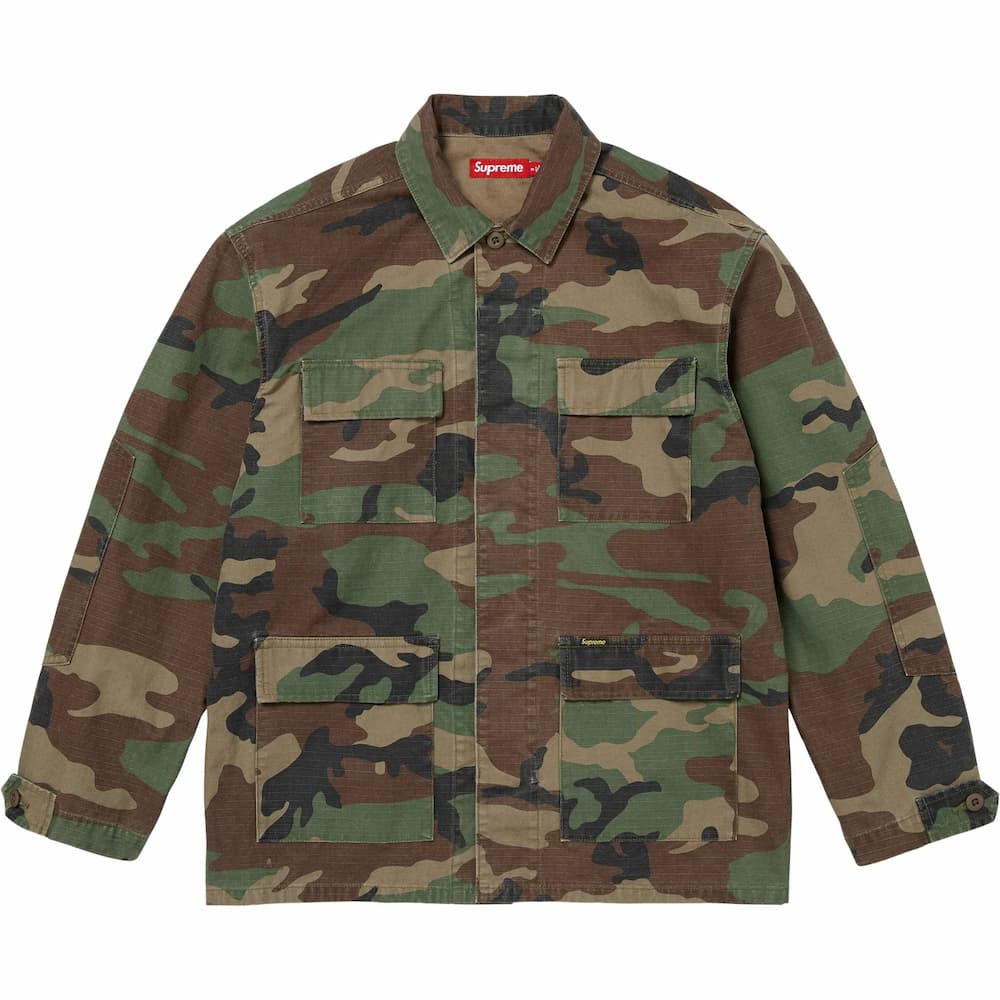
Supreme Ripstop BDU Shirt Jacket
Supreme Ripstop BDU Shirt Jacket: US $188, Woodland Camo cotton ripstop with waist adjustment. FW26 dimensions published; current stock unconfirmed.
Read the story ↗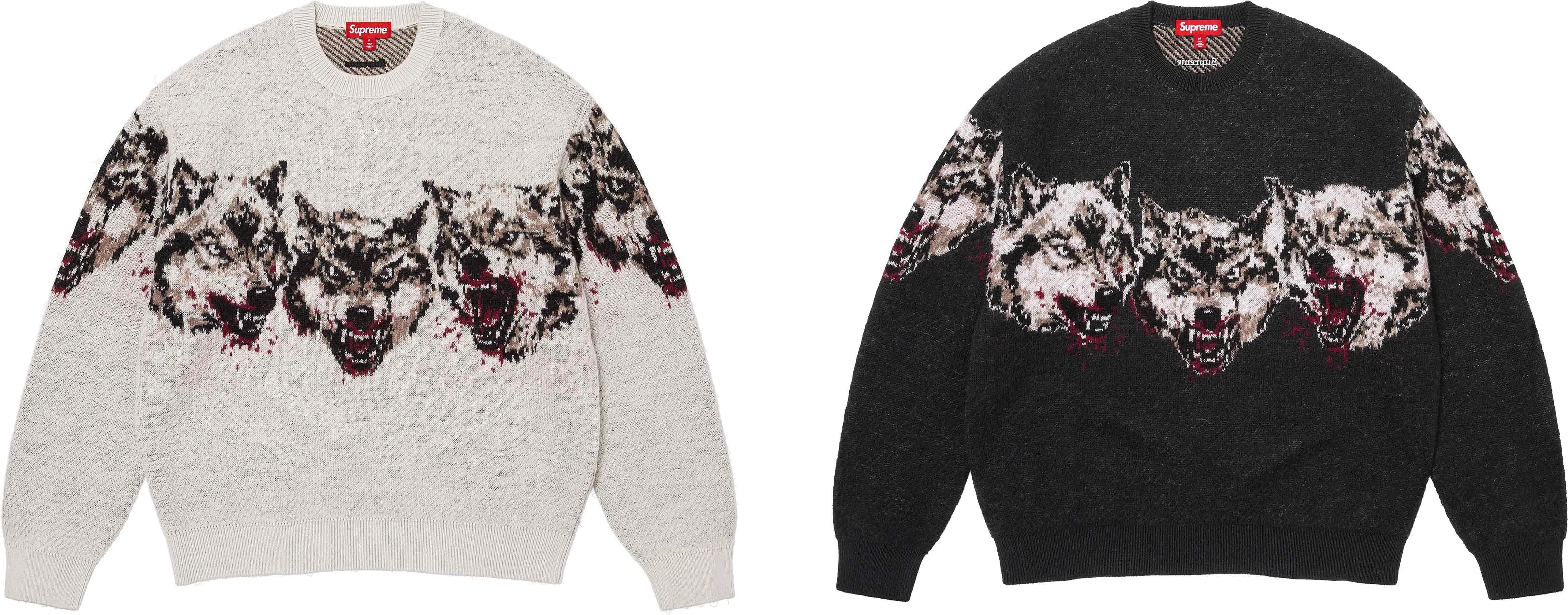
Supreme Wolves Sweater
Supreme Wolves Sweater for FW26. White, Black. October 8 is reported; official US timing and price remain unconfirmed.
Read the story ↗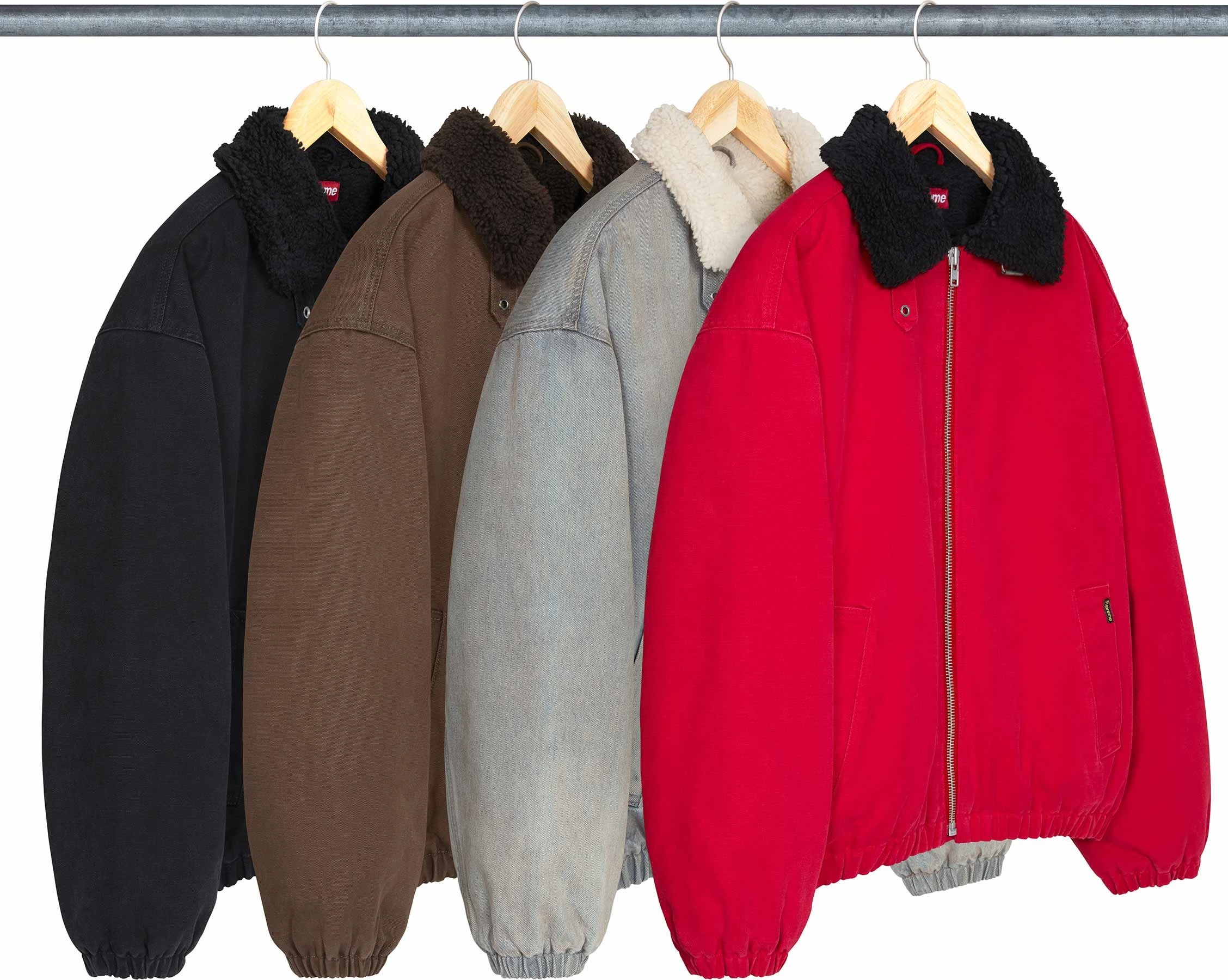
Supreme Faux Shearling Lined Bomber Jacket
Supreme Faux Shearling Lined Bomber Jacket for FW26. Washed Grey, Red, Black, Brown. October 8 is reported; official US timing and price remain unconfirmed.
Read the story ↗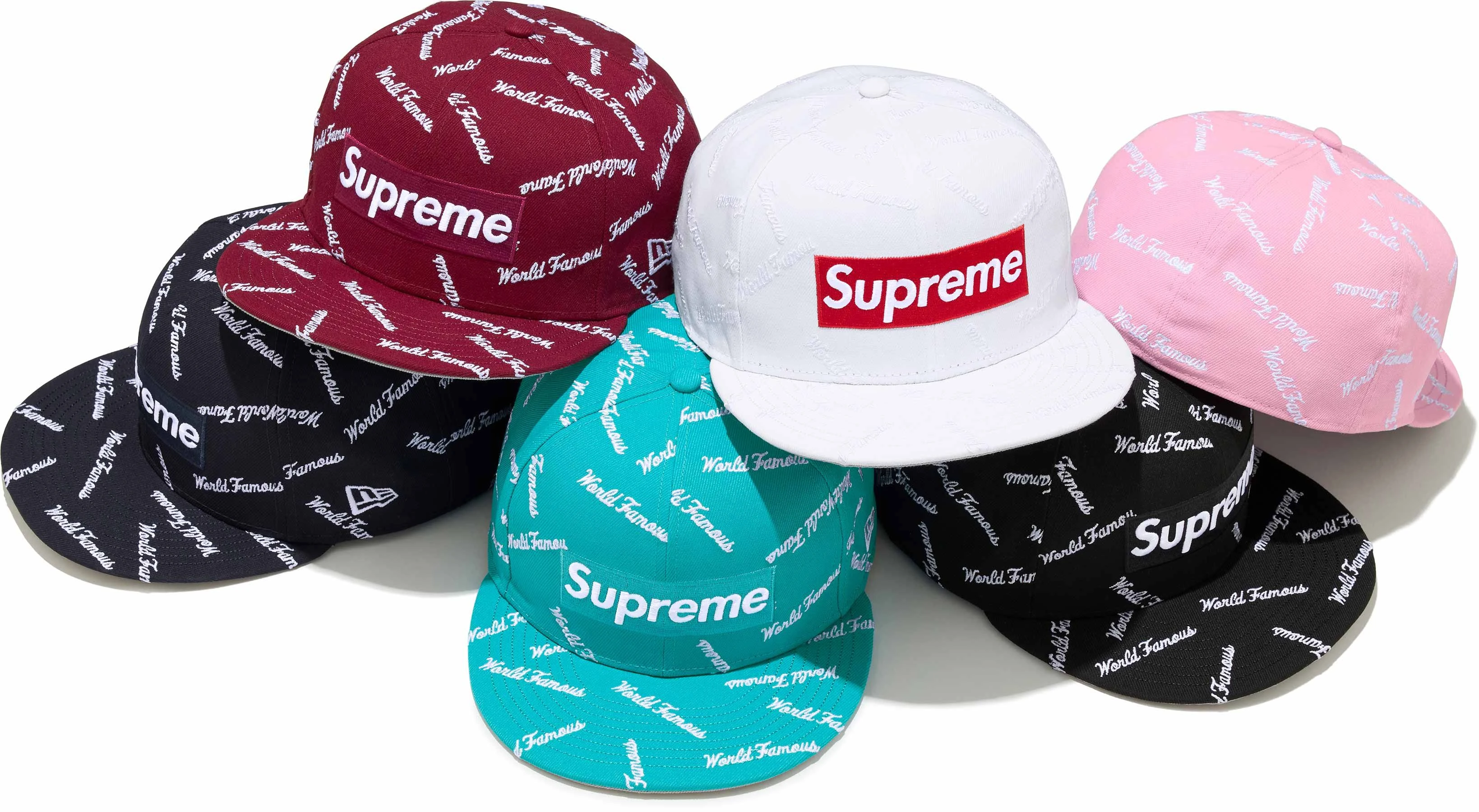
Supreme World Famous Box Logo New Era®
Supreme World Famous Box Logo New Era® for FW26. October 8 is reported; official US timing and price remain unconfirmed.
Read the story ↗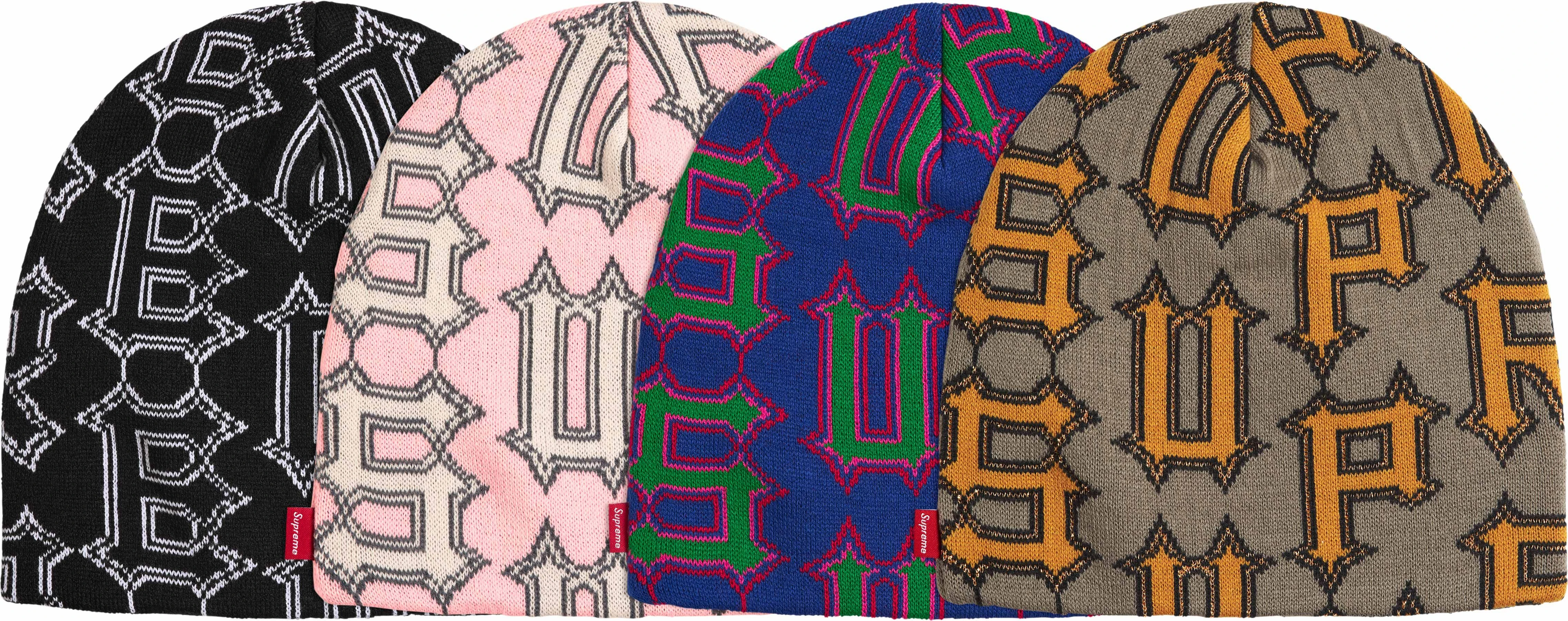
Supreme Spike Beanie
Supreme Spike Beanie for FW26. October 8 is reported; official US timing and price remain unconfirmed.
Read the story ↗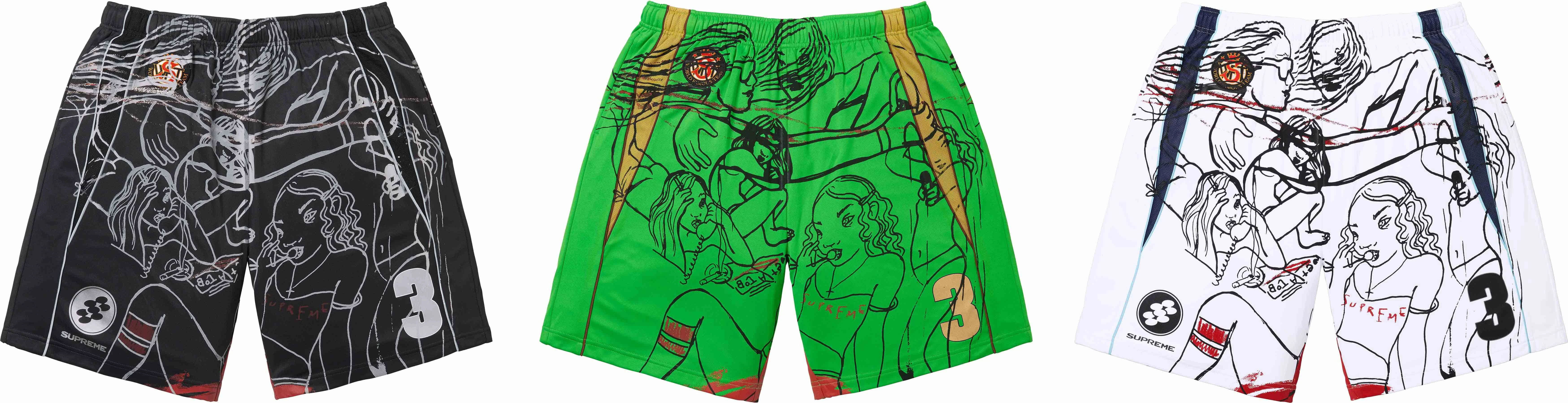
Supreme/Rita Ackermann Soccer Short
Supreme/Rita Ackermann Soccer Short for FW26. Black. October 8 is reported; official US timing and price remain unconfirmed.
Read the story ↗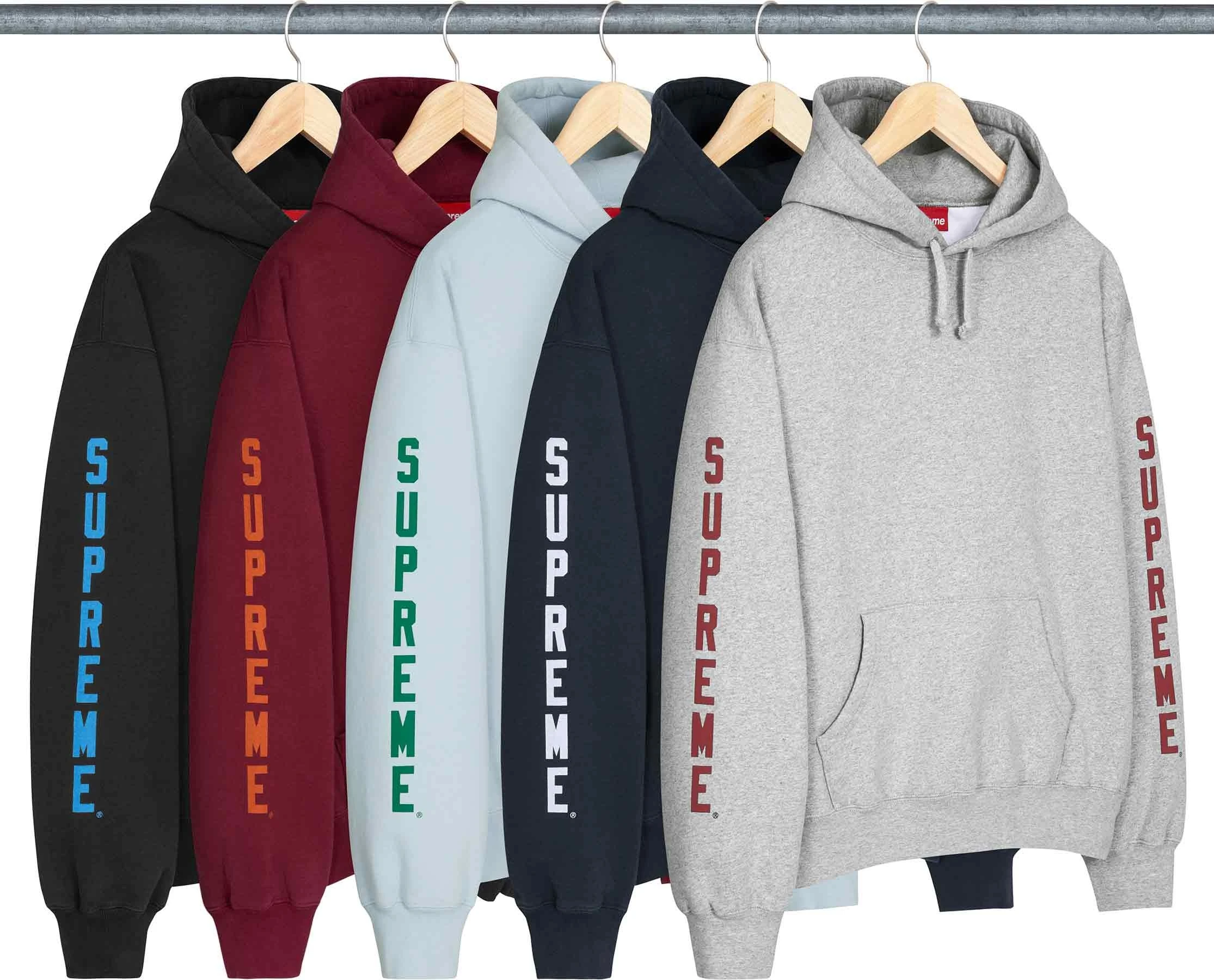
Supreme Washed Logo Hooded Sweatshirt
Supreme Washed Logo Hooded Sweatshirt for FW26. Black. October 8 is reported; official US timing and price remain unconfirmed.
Read the story ↗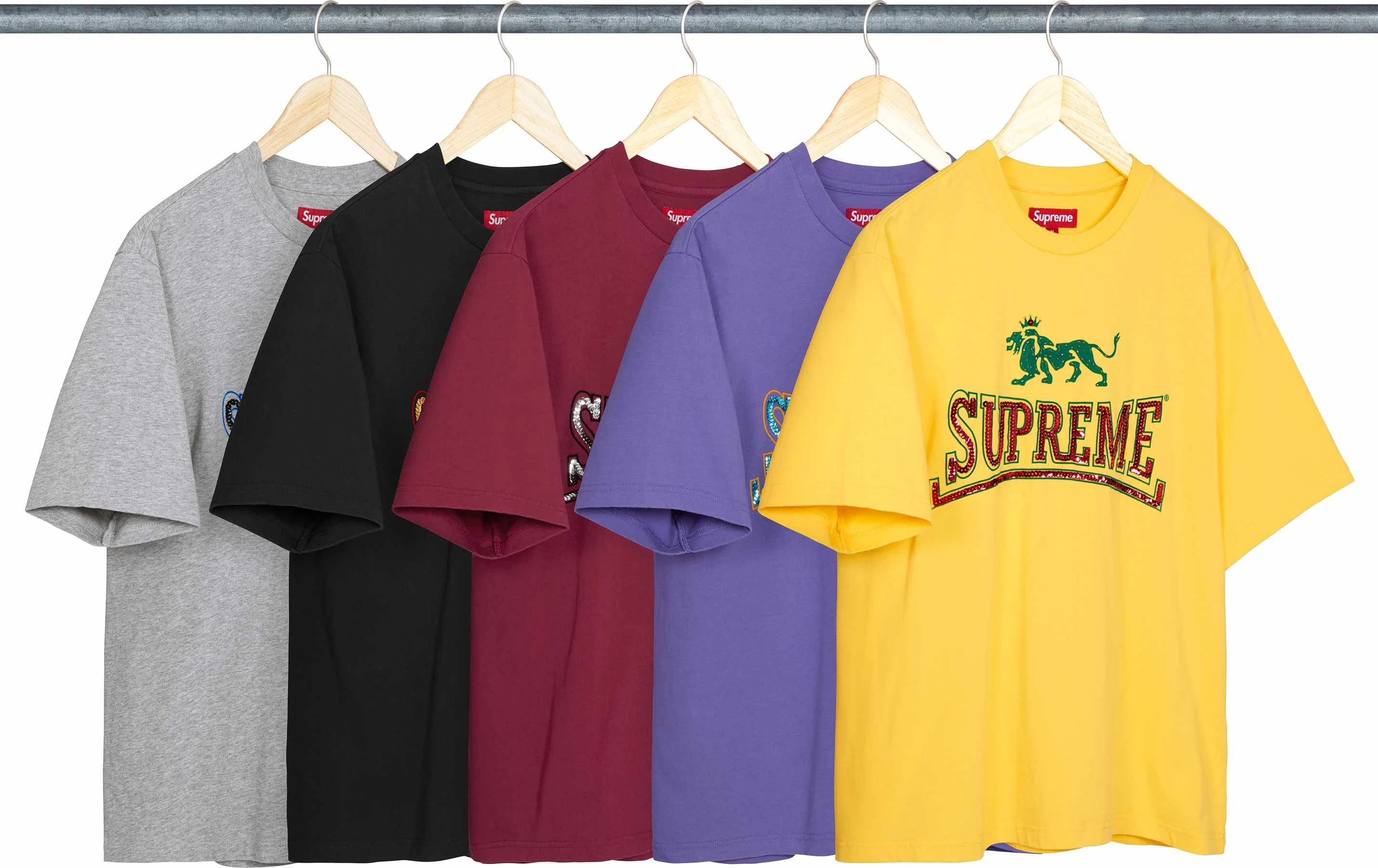
Supreme Milan Sequin S/S Top
Supreme Milan Sequin S/S Top for FW26. Black. October 8 is reported; official US timing and price remain unconfirmed.
Read the story ↗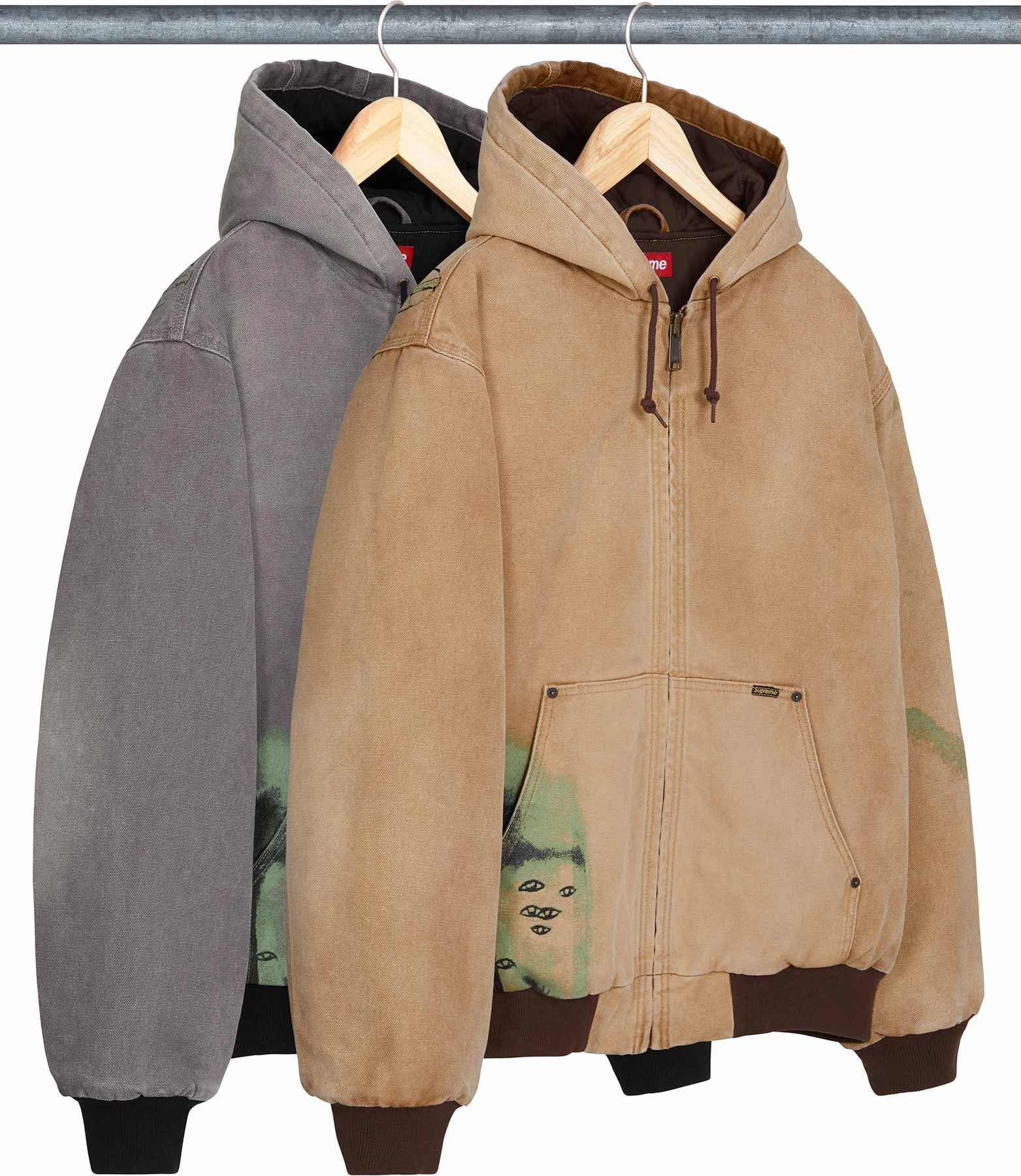
Supreme/Rita Ackermann Hooded Work Jacket
Supreme/Rita Ackermann Hooded Work Jacket for FW26. Grey, Tan. October 8 is reported; official US timing and price remain unconfirmed.
Read the story ↗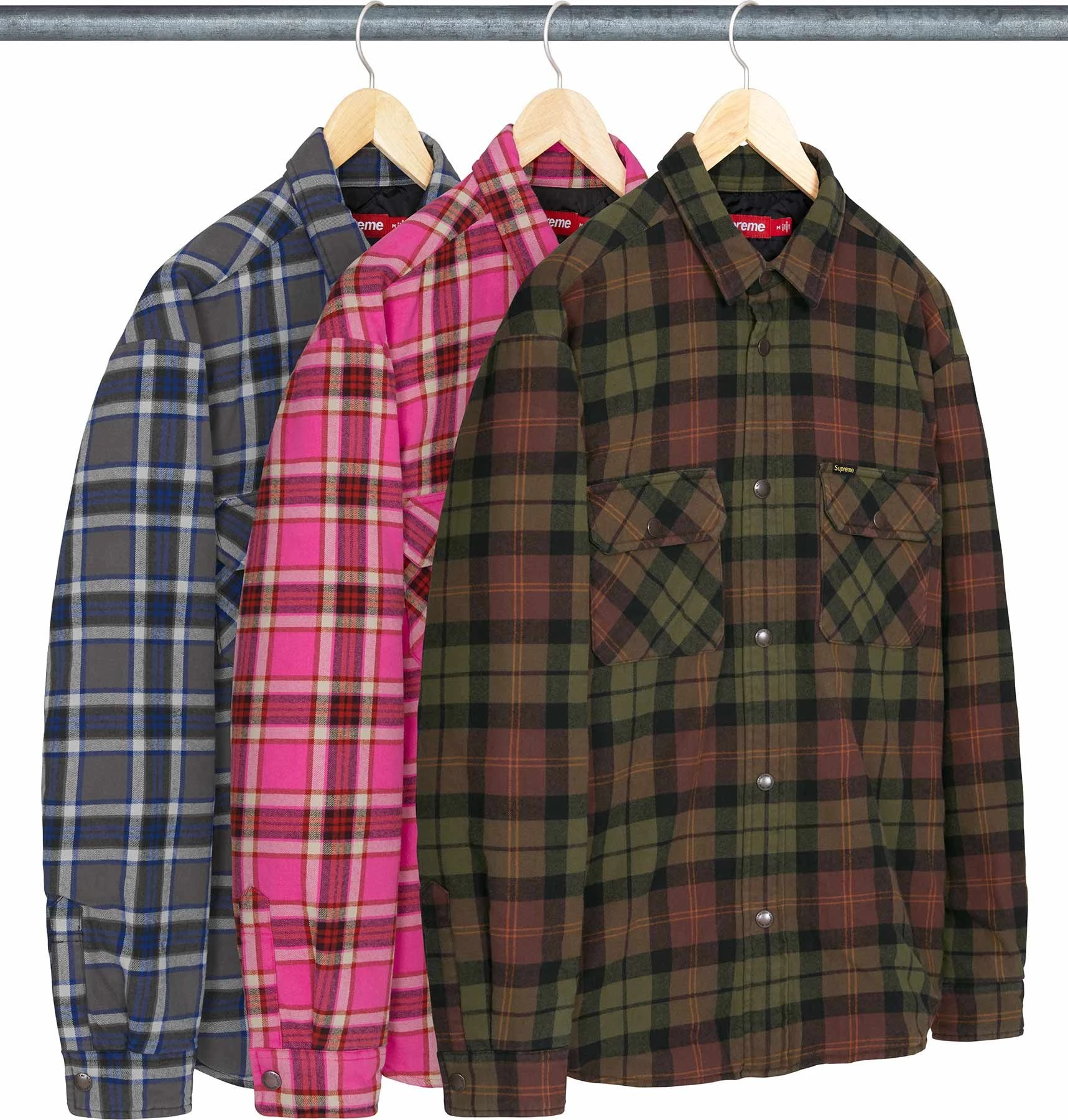
Supreme Quilted Lined Flannel Snap Shirt
Supreme Quilted Lined Flannel Snap Shirt for FW26. Pink. October 8 is reported; official US timing and price remain unconfirmed.
Read the story ↗Sources & verification
- EssilorLuxottica to Acquire Supreme from VF Corporation ↗official · checked Oct 4, 2026
- Nike SB Vault — Supreme White Cement ↗official · checked Oct 4, 2026
- 20 Years of Nike SB — Skate Shops ↗official · checked Oct 4, 2026
- Why Supreme x A.Presse Is 2026’s Most Important Menswear Collab ↗independent reporting · checked Oct 4, 2026
- Supreme Archives — Faux Fur Reversible Hooded Jacket, Fall/Winter 2020 ↗independent reporting · checked Oct 4, 2026
- Supreme Mini Plaid Shirt — Black ↗official · checked Oct 4, 2026
- Supreme Ripstop BDU Shirt Jacket — Woodland Camo ↗official · checked Oct 4, 2026
- Supreme and Nike Team up for Fall 2026 Apparel Collection ↗independent reporting · checked Oct 4, 2026
- Supreme Fall/Winter 2026 official preview ↗official · checked Oct 6, 2026
- Wolves Sweater FW26 release listing ↗independent reporting · checked Oct 6, 2026
- Faux Shearling Lined Bomber Jacket FW26 release listing ↗independent reporting · checked Oct 6, 2026
- World Famous Box Logo New Era® FW26 release listing ↗independent reporting · checked Oct 6, 2026
- Spike Beanie FW26 release listing ↗independent reporting · checked Oct 6, 2026
- Supreme/Rita Ackermann Soccer Short FW26 release listing ↗independent reporting · checked Oct 6, 2026
- Washed Logo Hooded Sweatshirt FW26 release listing ↗independent reporting · checked Oct 6, 2026
- Milan Sequin S/S Top FW26 release listing ↗independent reporting · checked Oct 6, 2026
- Supreme/Rita Ackermann Hooded Work Jacket FW26 release listing ↗independent reporting · checked Oct 6, 2026
- Quilted Lined Flannel Snap Shirt FW26 release listing ↗independent reporting · checked Oct 6, 2026
- Fuck You Zip Up Hooded Sweatshirt FW26 release listing ↗independent reporting · checked Oct 6, 2026
- Supreme/Rita Ackermann Double Knee Painter Pant FW26 release listing ↗independent reporting · checked Oct 6, 2026
- Micro Down Half Zip Hooded Pullover FW26 release listing ↗independent reporting · checked Oct 6, 2026
- Metallic Bouclé Camp Cap FW26 release listing ↗independent reporting · checked Oct 6, 2026
- Washed Logo Sweatpant FW26 release listing ↗independent reporting · checked Oct 6, 2026
- Supreme/Rita Ackermann Soccer Jersey FW26 release listing ↗independent reporting · checked Oct 6, 2026
- Supreme Fall/Winter 2026 Sizing ↗official · checked Oct 4, 2026
- David Cole — Survey of U.S. Army Uniforms, Weapons and Accoutrements, p.105 ↗official · checked Oct 4, 2026
- Supreme Plus — Fall/Winter 2026 Week 7 regular items ↗independent reporting · checked Oct 4, 2026
- Supreme/Umbro Cotton Ripstop Track Jacket — Green ↗official · checked Oct 4, 2026
- Supreme/Nike Faux Fur Reversible Parka — Black ↗official · checked Oct 4, 2026
- Modern Notoriety — Supreme Nike Fall 2026 ↗independent reporting · checked Oct 4, 2026
- Im Your Wardrobe — Supreme Mini Plaid Shirt Black FW26 ↗community · checked Oct 4, 2026
- Celebrating 125 Years of the Button-Down Collar Shirt ↗official · checked Oct 4, 2026
- Supreme Small Box Shirt — Pink ↗official · checked Oct 4, 2026
- Supreme Quilted Lined Hooded Velvet Snap Shirt — Navy ↗official · checked Oct 4, 2026
- Supreme Plus — Fall/Winter 2026 Week 6 regular items ↗independent reporting · checked Oct 4, 2026
- Proper Cloth — Body Measurements vs. Shirt Dimensions ↗official · checked Oct 4, 2026
- Proper Cloth — How to Measure a Shirt: Chest Width ↗official · checked Oct 4, 2026
- Proper Cloth — How to Measure a Shirt: Sleeve Length ↗official · checked Oct 4, 2026
- Proper Cloth — How the Sleeve Length Should Fit ↗official · checked Oct 4, 2026
- EssilorLuxottica/VF announcement: About Supreme ↗official · checked Oct 7, 2026
- Supreme official site ↗official · checked Oct 7, 2026
- Supreme News Archive ↗official · checked Oct 7, 2026
- Supreme Gonz Heads Crewneck ↗official · checked Oct 7, 2026